FOR NORMAL SKIN
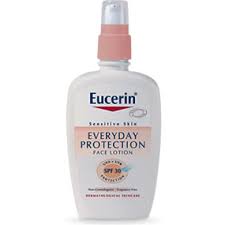
Moisturizers can be used to prevent the skin from becoming too dry or oily, such as with light, non-greasy water-based moisturizers. Such moisturizers often contain lightweight oils, such as cetyl alcohol, or silicone derived ingredients.
FOR OILY SKIN

For oily skin, moisturizers can still be useful after activities causing skin dryness, such as other skin care products and washing.For oily skin, water-based moisturizers that are specifically non-comedogenic are preferable, as there is less risk of comedo formation.
FOR DRY SKIN
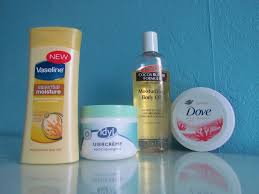
For treating skin dryness, the most appropriate moisturizers are heavier, oil-based moisturizers that contain ingredients such as antioxidants, grape seed oil or dimethicone.For very dry, cracked skin, petrolatum-based products are preferable, as they are more lasting than creams and are more effective in preventing water evaporation.

In eczema it is generally best to match thicker ointments to the driest, flakiest skin. Light emollients such as aqueous cream
may not have any effect on severely dry skin. Some common emollients
for the relief of eczema include Oilatum, Balneum, Medi Oil, bath oils and aqueous cream.
Lotions or creams may be applied directly to the skin after bathing to lock in moisture. Moisturizing gloves (gloves which keep emollients in contact with skin on the hands) can be worn while sleeping.
Generally, twice-daily applications of emollients work best. While creams are easy to apply, they are quickly absorbed into the skin, and therefore need frequent reapplication.
Moisturizers can be used to prevent the skin from becoming too dry or oily, such as with light, non-greasy water-based moisturizers. Such moisturizers often contain lightweight oils, such as cetyl alcohol, or silicone derived ingredients.
FOR OILY SKIN
For oily skin, moisturizers can still be useful after activities causing skin dryness, such as other skin care products and washing.For oily skin, water-based moisturizers that are specifically non-comedogenic are preferable, as there is less risk of comedo formation.
FOR DRY SKIN
For treating skin dryness, the most appropriate moisturizers are heavier, oil-based moisturizers that contain ingredients such as antioxidants, grape seed oil or dimethicone.For very dry, cracked skin, petrolatum-based products are preferable, as they are more lasting than creams and are more effective in preventing water evaporation.
Oily skin
For oily skin, moisturizers can still be useful after activities causing skin dryness, such as other skin care products and washing. For oily skin, water-based moisturizers that are specifically non-comedogenic are preferable, as there is less risk of comedo formationAging skin
Appropriate moisturizers to keep aging skin soft and well hydrated are oil-based ones that contain petrolatum as the base, along with antioxidants or alpha hydroxy acids against wrinkles.SENSITIVE SKIN
On sensitive skin (which otherwise is susceptible to skin irritations, redness, itching or rashes), it is preferable to use moisturizers which contain soothing ingredients such as chamomile or aloe, and that minimize potential allergens such as fragrances or dyes, as well as irritants such as acids.ECZEMA
Lotions or creams may be applied directly to the skin after bathing to lock in moisture. Moisturizing gloves (gloves which keep emollients in contact with skin on the hands) can be worn while sleeping.
Generally, twice-daily applications of emollients work best. While creams are easy to apply, they are quickly absorbed into the skin, and therefore need frequent reapplication.


No comments:
Post a Comment