Exfoliation involves the removal of the oldest dead skin
cells on the skin's outermost surface, and has been used for many years
to help maintain healthy skin.

Exfoliation is involved in the process of all facials, during microdermabrasion or chemical peels at medical spas. Exfoliation can be achieved through mechanical or chemical means.


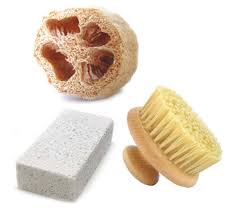
This process involves physically scrubbing the skin with an abrasive. Mechanical exfoliants include microfiber cloths, adhesive exfoliation sheets, micro-bead facial scrubs, crushed apricot kernel or almond shells, sugar or salt crystals, pumice, and abrasive materials such as sponges, brushes, and simply fingernails.
Facial scrubs are available in over-the-counter products for application by the user. People with dry skin should avoid exfoliants which include a significant portion of pumice, or crushed volcanic rock.
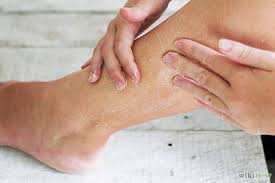
Pumice is considered a good material to exfoliate the skin of the feet. Microdermabrasion is another mechanical method of exfoliation.
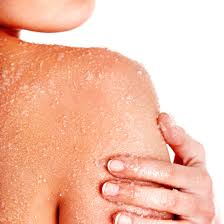
Chemical exfoliants include scrubs containing salicylic acid, citric acid, or malic acid which may be applied in high concentrations by a medical professional, or in lower concentrations in over-the-counter products. Chemical exfoliation may involve the use of products that contain alpha hydroxy acids (AHAs).
This type of exfoliation is recommended for people treating acne. In beauty spa treatment on continental Europe, the chemical properties of wine producing grapes are exploited in the practice of vinotherapy which is becoming increasingly popular.
One disadvantage to exfoliation is the high price of some of the products and methods used to achieve it. Exfoliation will lead to some initial redness to the skin. Near the end of chemical peels, the skin will frost, with colors varying from a bright white to grey on the skin surface.
Exfoliation is involved in the process of all facials, during microdermabrasion or chemical peels at medical spas. Exfoliation can be achieved through mechanical or chemical means.
mechanical exfoilants

Facial scrubs are available in over-the-counter products for application by the user. People with dry skin should avoid exfoliants which include a significant portion of pumice, or crushed volcanic rock.
Pumice is considered a good material to exfoliate the skin of the feet. Microdermabrasion is another mechanical method of exfoliation.
Chemical exfoliants include scrubs containing salicylic acid, citric acid, or malic acid which may be applied in high concentrations by a medical professional, or in lower concentrations in over-the-counter products. Chemical exfoliation may involve the use of products that contain alpha hydroxy acids (AHAs).
This type of exfoliation is recommended for people treating acne. In beauty spa treatment on continental Europe, the chemical properties of wine producing grapes are exploited in the practice of vinotherapy which is becoming increasingly popular.
One disadvantage to exfoliation is the high price of some of the products and methods used to achieve it. Exfoliation will lead to some initial redness to the skin. Near the end of chemical peels, the skin will frost, with colors varying from a bright white to grey on the skin surface.


No comments:
Post a Comment